Billing and cash
Time and materials work without the argument
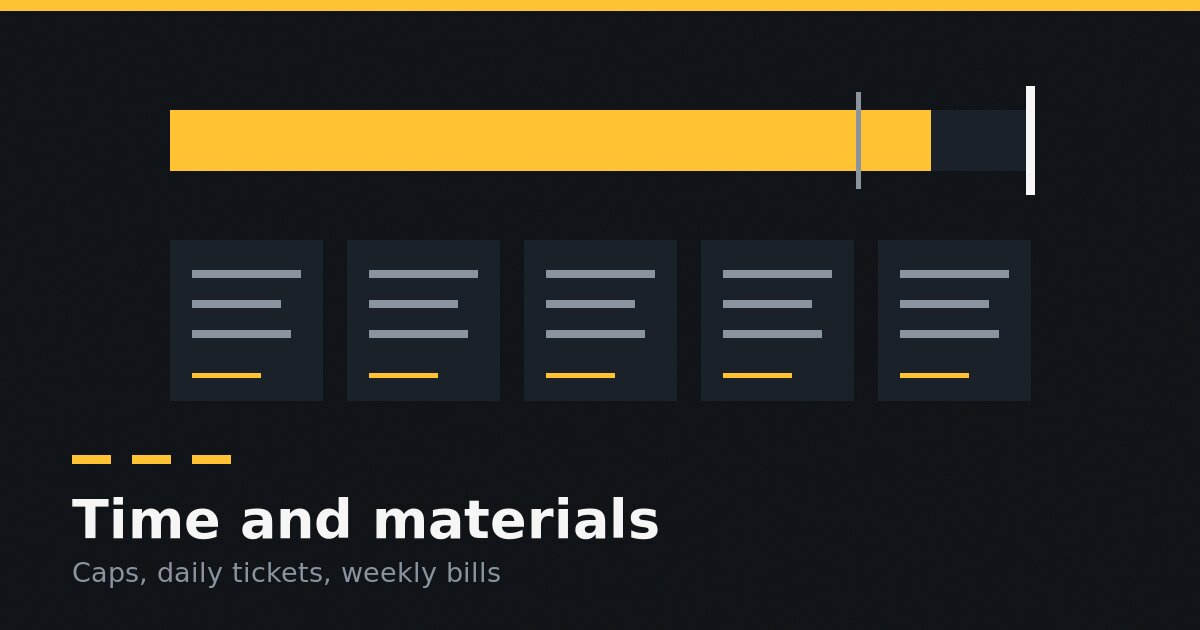
Time and materials work stays out of arguments when rates, a not-to-exceed cap, a signed daily ticket and a weekly bill are agreed before the crew starts.
Blog
Pricing, change orders, job costs and getting paid, written for paving and concrete contractors.
Billing and cash
Time and materials work stays out of arguments when rates, a not-to-exceed cap, a signed daily ticket and a weekly bill are agreed before the crew starts.
Billing and cash
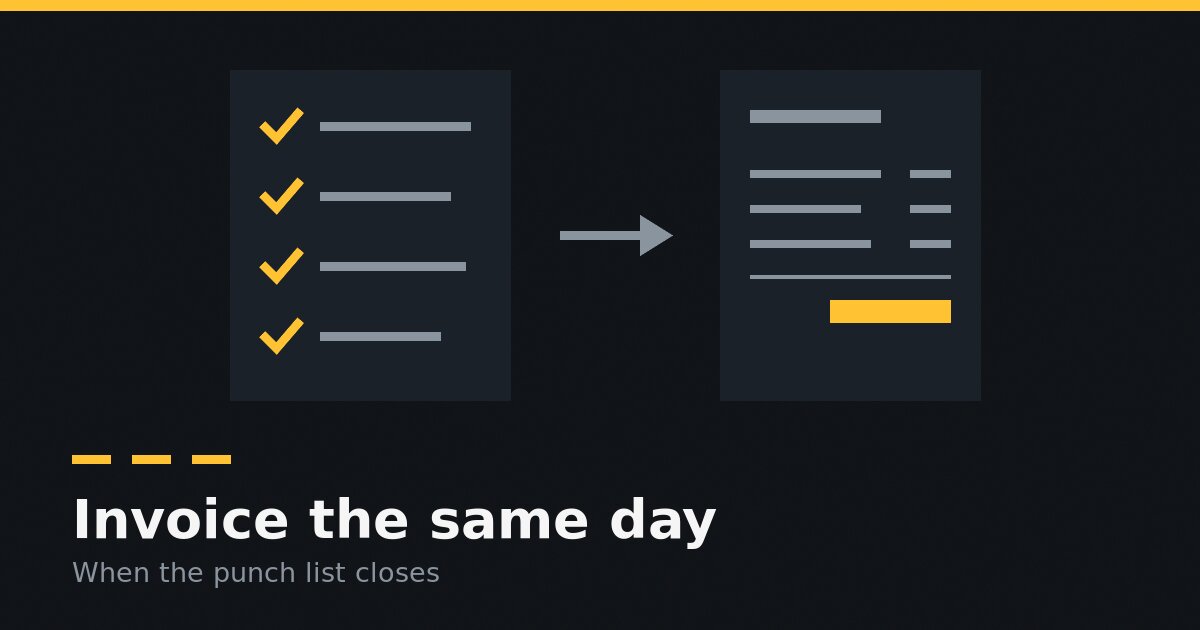
Send the final invoice the day the punch list closes: build it before the last item is fixed, attach what the customer signed, and put a date on the money.

Billing and cash
Working for a GC, you get paid through pay apps with retainage held and lien waivers attached. How the monthly cycle runs and what gets a pay app sent back.
Running the business
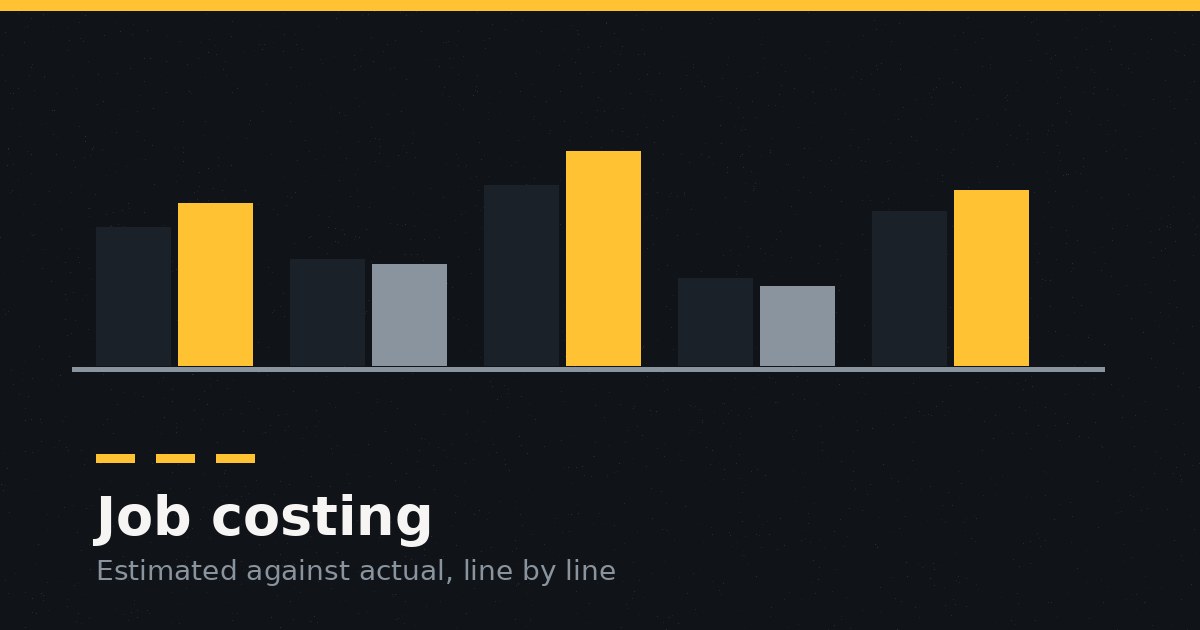
You priced 90 tons and the plant tickets say 104. That gap is yield, and it's one of the quietest ways a paving job loses money. Here's where the extra tons go.
Crews and the field
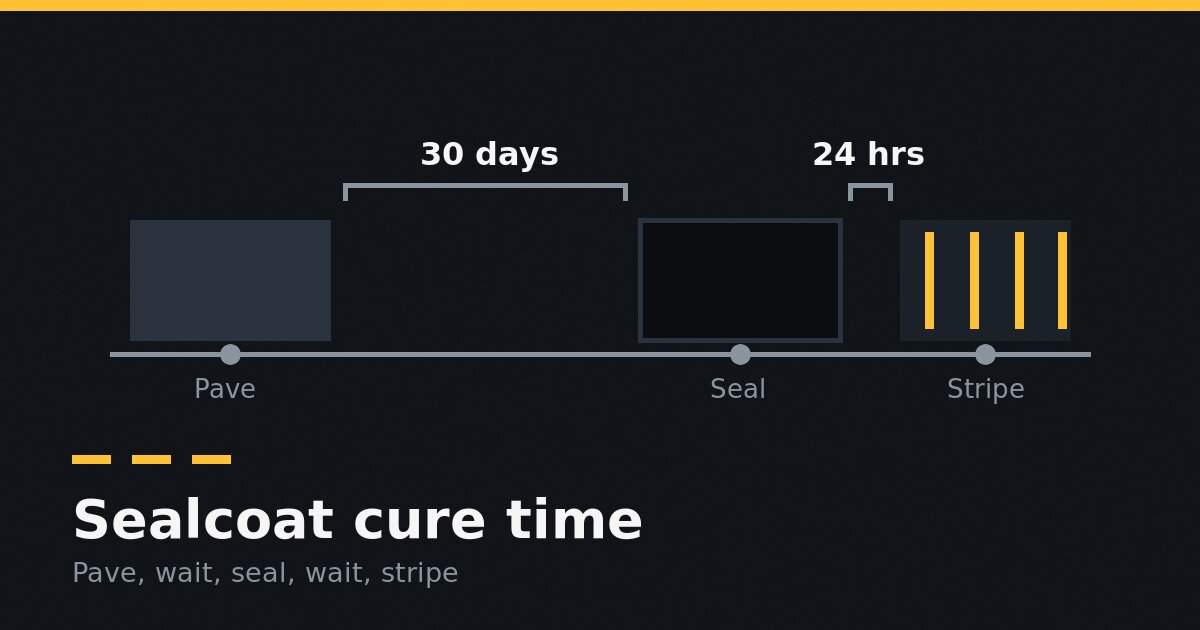
Sealcoat cure time sets the order on a lot: new asphalt cures first, sealer dries before paint, and striping comes twice. How to schedule and price the waits.
Crews and the field
What a paving daily log needs so it settles a billing dispute: hours, quantities by area, delays with times, who said what, and photos taken the same day.

Crews and the field
Keeping a paving crew safe in summer heat: how much water to bring, where the shade goes, breaks that fit the paver, new-hire ramp-up and moving the start time.
Billing and cash
On commercial and public paving work you bill as you go, and the owner holds back a percentage until the end. How progress billing and retainage really work.
Crews and the field
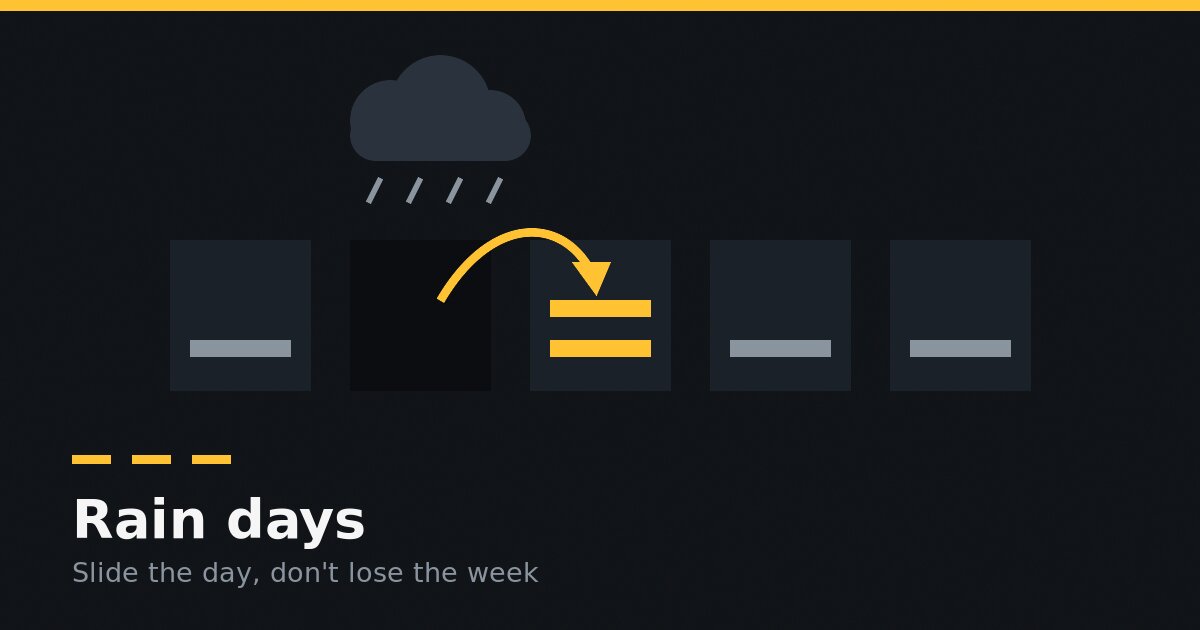
How to handle rain days in paving: make the call by a set time, slide the whole day forward instead of reshuffling jobs, and book the month with rain in it.
Sales and customers
Change orders on paving jobs go wrong in two places: work done before anyone signs, and signed work that never reaches the invoice. How to close both gaps.
Estimating
Milling changes the whole price: material transport, sweeping, heavier tack and a tighter tonnage number. Mill and fill vs. overlay, on the lot and on paper.
Estimating
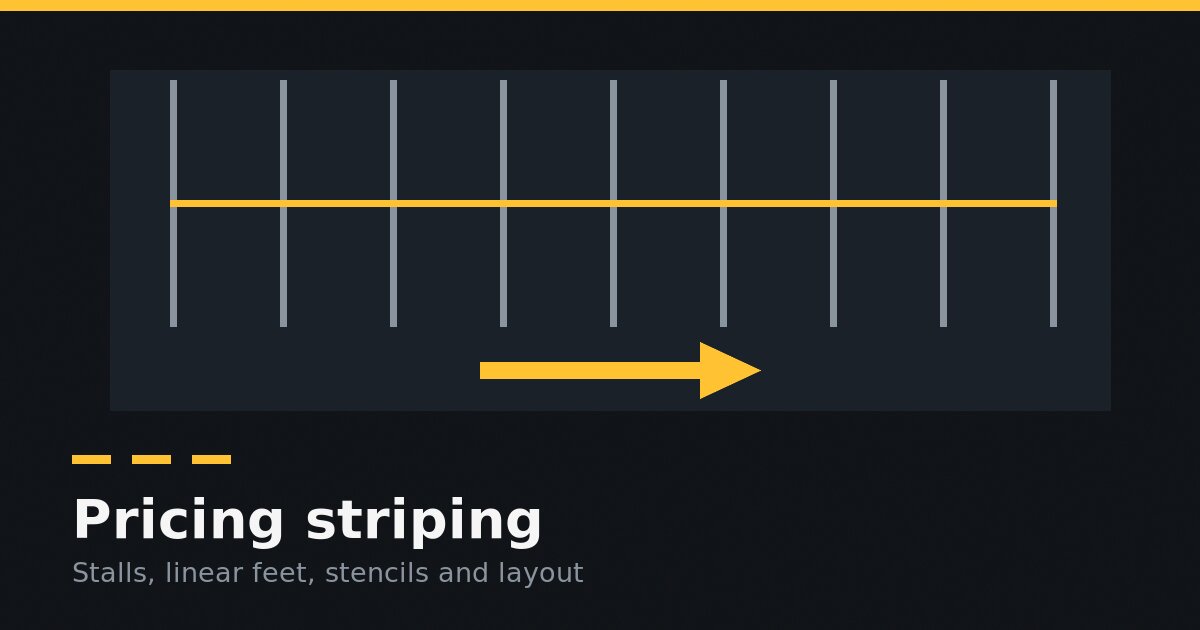
Price parking lot striping from real linear feet, gallons at your line width, stencils counted each and layout time, not a flat price per stall.
Draw a lot you priced last month, price it with your own numbers, and see what it would have made. Free for 14 days, no credit card.
Pavr moved to app.pavr.io. Install it again from there.
Open app.pavr.io